
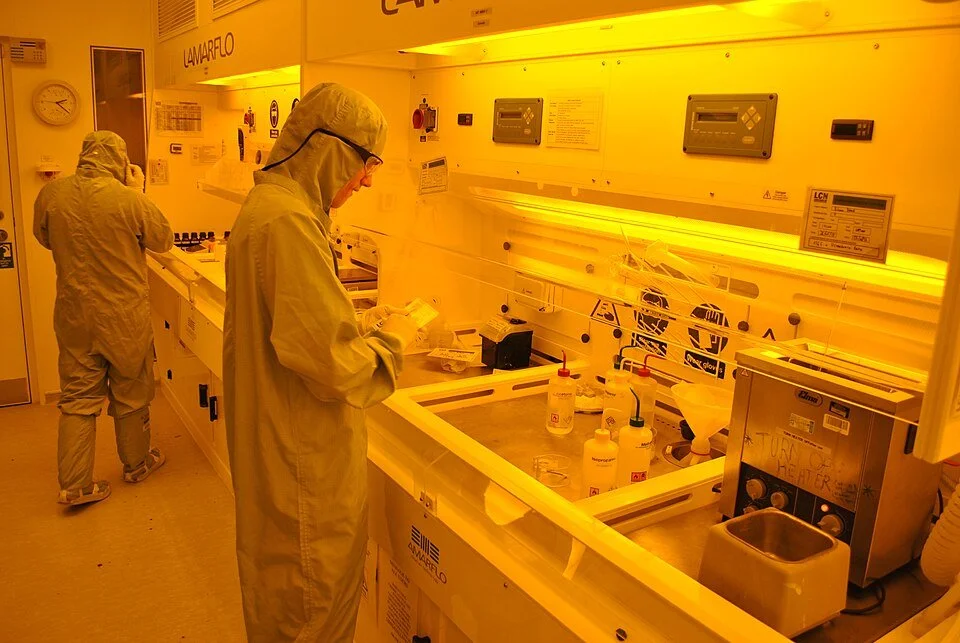
A GMP cleanroom is a controlled environment that follows good manufacturing practice. These environments are designed to meet strict regulatory requirements and protect the integrity of products during production.
Standard cleanrooms focus primarily on controlling the amount of particulates in the air. GMP cleanrooms are built and operated according to cGMP guidelines, which govern everything from how you operate your facility to the design of the clean environment.
While ISO-classified cleanrooms define allowable particle counts, GMP environments go further by incorporating procedural controls and documentation requirements.
GMP cleanrooms are a staple of sensitive production environments, including the biotech and pharmaceutical sectors. Medical device manufacturers also adhere to cGMP cleanroom protocols.
Explore GMP cleanroom standards so that you can protect the integrity of your processes.
How Regulation Defines a GMP Cleanroom
Current Good Manufacturing Practice regulations outline how you design and operate your facilities. The goal of cGMP rules is to make sure products are safe and effective. These requirements are enforced through inspections and audits, making compliance a continuous obligation for your facility.
In the United States, the FDA establishes cGMP requirements for pharma and medical device manufacturers. In Europe, the EMA provides similar oversight.
Several international organizations enforce cGMP rules. For example, ICH Q7 governs cleanroom requirements for active pharmaceutical ingredients. ICH Q9 is a series of quality risk management provisions. ICH Q10 is used for pharmaceutical quality systems.
These international frameworks promote continuity for businesses that operate in different jurisdictions.
GMP cleanrooms typically follow ISO classifications for particle limits. These classifications correspond with GMP grades, which range from grade A to grade D. Grade A GMP cleanrooms offer the highest level of cleanliness, which is required for stringent processes like aseptic filling of medications.
By familiarizing yourself with these provisions, you can promote product safety and quality at scale. It’s vital that you strictly enforce environmental controls and document your processes.
Applied correctly, Good Manufacturing Practices will reduce variability and prevent contamination. Your organization can achieve better consistency, less waste, and improve trust.
Core Engineering Principles for GMP Facilities
Building an effective GMP cleanroom starts in the engineering and design phases of your project. Certain guiding principles will set you up for success.
Controlled Airflow and Filtration
Maintaining acceptable particulate thresholds is the most fundamental aspect of cleanroom design. Installing the right FFU fan filter and designing airflow patterns that prevent particles from settling on critical surfaces represent great starting points.
Unilateral airflow patterns are the most prevalent in cleanroom design. Bidirectional airflow can introduce contaminants by creating a swirling effect, which reduces the efficacy of your filtration devices.
Consulting with an air quality expert who specializes in GMP cleanroom design and implementation is the best approach for protecting the integrity of your project.
Structural Design for Low Particulation
The materials you use for your cleanroom and the finishes you choose are essential for minimizing contamination. GMP cleanrooms use smooth, non-shedding surfaces that are easy to clean and resistant to microbial growth. Walls, ceilings, and flooring are constructed to eliminate cracks or other areas where particles can build up.
When choosing the design and materials, make sure your selections align with cGMP standards. Otherwise, you will find yourself facing costly rework demands.
Proper Zoning: Gowning, Staging, and Airlocks
Effective cleanroom design incorporates clearly defined zones that control the flow of personnel and materials. Install gowning areas so that your staff have a space to don protective garments before they enter the controlled space. Staging areas also offer an important buffer zone.
Equipment such as a cleanroom air shower can be used to remove loose particulates from your team members before they enter the environment. Installing multiple layers of protection is one of the best ways to reduce contamination risk and protect the integrity of your products.
Pressure Cascades and Differential Control
Maintaining pressure differentials will prevent cross-contamination. Air should flow from cleaner areas to less clean areas, which creates a cascade that acts as a barrier against contaminants.
HVAC Design Tailored for GMP Environment
Your HVAC system must be specialized and built to GMP standards. The equipment needs to regulate temperature, humidity, airflow, and filtration while supporting pressure cascades and energy efficiency. Each phase of the design should support other components to achieve optimal efficiency.
Cleanroom Monitoring & Environmental Controls
Building a complete cleanroom environment will help you stay compliant and protect product consistency. However, you also need to continually monitor and reassess the cleanroom environment so that you can keep the air quality within the proper parameters.
Cleanroom monitoring systems that deliver real-time feedback will provide immediate visibility into environmental conditions. If there is a deviation that could compromise product quality or integrity, your team can respond accordingly.
A customizable system that allows you to set acceptable ranges and alarm thresholds will be most effective. These solutions also maintain detailed records of environmental data, creating an audit trail that demonstrates compliance during inspections.
When exploring monitoring options for your GMP cleanroom, make sure the technology integrates into your quality management system. A fully-integrated approach will support decision-making and help you meet cGMP standards.
Finally, monitoring technologies can provide invaluable data when deviations occur. Monitoring data is useful for conducting a root cause analysis. It also supports corrective and preventive actions, as well as deviation investigations.
Engineering GMP Cleanrooms to Meet Standards and Operational Goals
Designing a GMP cleanroom requires a comprehensive approach, the right technologies, and support from an experienced partner. Every element needs to work together to achieve your mission.
Working with experienced cleanroom engineering professionals like CleanAir Solutions sets your facility up for success. Our team will provide timely guidance and product recommendations so that you can deliver high-quality, compliant products on time and at scale.
Are you ready to build or upgrade a cleanroom in accordance with Good Manufacturing Practice standards? Contact CleanAir Solutions to explore our cleanroom engineering services for GMP facilities.