Achieving USP 797 Standards: Essential Guidelines for Compounding Pharmacies
Navigating regulations for sterile compounding can be challenging, especially when adhering to USP 797 standards. For healthcare professionals and pharmacy staff, ensuring compliance with these rigorous guidelines is critical. This blog simplifies USP 797 requirements, highlights practical compliance strategies, and underscores their importance in enhancing patient safety and maintaining product integrity.
What is USP 797 and Why is it Important?
The USP 797 guidelines establish essential practice and quality standards for compounded sterile preparations (CSPs). Their primary goal is protecting patients from microbial contamination, excessive bacterial endotoxins, unintended potency variations, and other hazards.
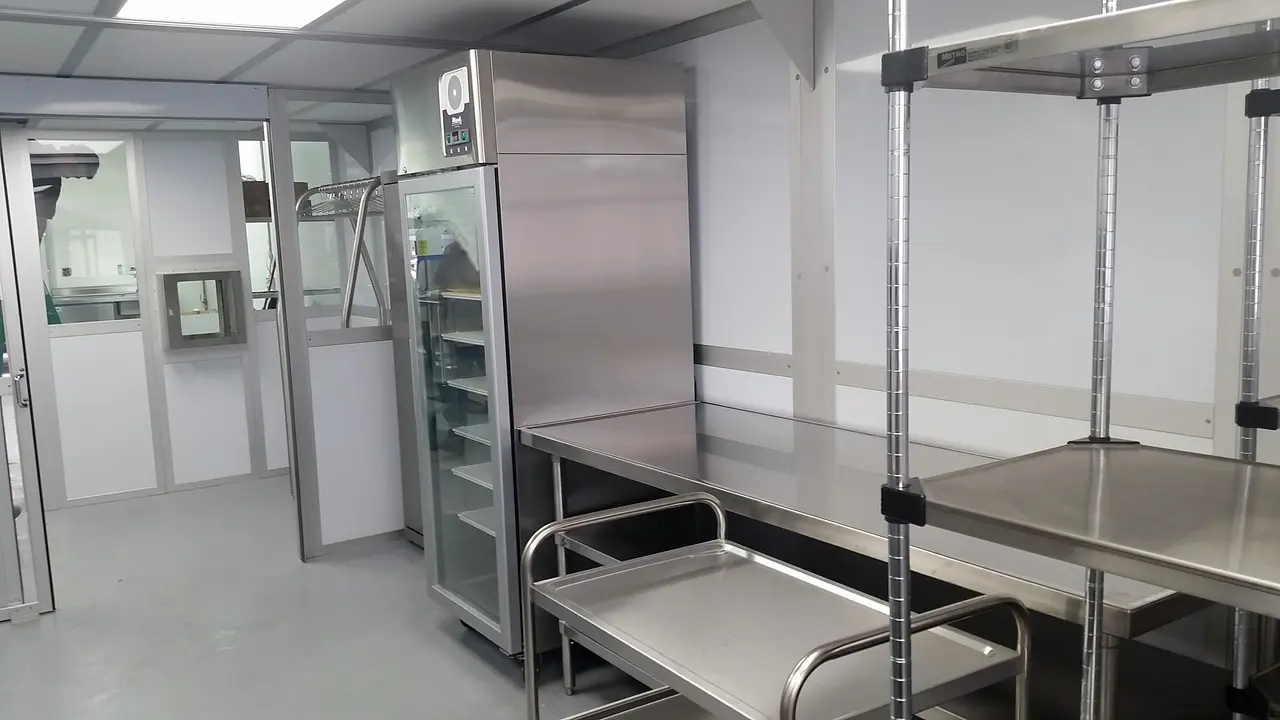
The stringent criteria set by USP 797 revolve primarily around preventing contamination. Pharmacies must maintain ISO-classified pharmacy cleanrooms, enforce rigorous airflow standards, and conduct regular environmental monitoring. Collectively, these requirements ensure compounded medications remain sterile, safe, and effective.
Historically, non-compliance has occasionally resulted in patient harm due to contaminated sterile products. Understanding this context emphasizes the importance of consistent adherence to USP 797, reassuring patients and healthcare providers of product safety and quality.
Core Components of USP 797 Compliance
Key USP 797 components include thorough personnel training, systematic environmental monitoring, and careful handling and storage of CSPs. Each of these components ensures compounded products meet stringent quality criteria.
Personnel Training: The Foundation of Compliance
Proper personnel training under USP 797 is critical. Staff members involved in sterile compounding must master aseptic techniques, understand proper [cleanroom gowning procedures](), and maintain updated training certifications.
Effective training programs blend technical knowledge with teamwork and communication skills. Much like a symphony, each member plays a vital role in maintaining sterility and ensuring regulatory compliance. Regular training sessions and competency assessments help sustain high-quality practices, adapting continuously as guidelines and technologies evolve.
Innovations such as automated compounding equipment require ongoing education to integrate their benefits fully while maintaining compliance.
Implementing Effective Training on USP 797 Standards
Training personnel under USP 797 guidelines is analogous to creating a roadmap for success. Essential USP 797 training areas include:
Aseptic techniques and cleanroom protocols
Sterilization procedures and waste management
Proper use of personal protective equipment (PPE)
Understanding cleanroom HVAC systems’ airflow dynamics and contamination control
Pharmacies should foster environments where continuous education and proactive learning are encouraged. Workshops, seminars, and digital training platforms can support this educational ecosystem, ensuring staff remain confident in their sterile compounding practices.
Environmental Monitoring: Ensuring Compounding Cleanroom Integrity
Routine environmental monitoring helps maintain sterile conditions by regularly assessing air quality, surface contamination, and personnel compliance within compounding areas.
This involves comprehensive scrutiny of:
HEPA/ULPA filter efficiency and integrity
Airborne particle counts using particle monitoring systems
Surface bioburden sampling to detect contamination
Personnel monitoring to assess compliance with aseptic protocols
Effective environmental monitoring programs proactively identify and mitigate contamination risks, thus safeguarding compounded sterile preparations.
Quality Assurance and Quality Control: Pillars of Safe Compounding
Robust quality assurance (QA) and quality control (QC) measures are foundational to USP 797 compliance. These measures confirm that each compounding stage aligns with established standards, ensuring patient safety.
Effective pharmacy cleanroom QA/QC programs include:
Systematic documentation and comprehensive record-keeping
Regular audits with structured checklists
Immediate corrective actions to address any deviations
Continuous process improvement for maintaining compliance
Pharmacies benefit from standardized audit procedures, which help identify and address potential compliance gaps proactively. This structured approach keeps USP guidelines from falling by the wayside and enhances transparency, compliance, and operational efficiency.
Achieving USP 797 Compliance and Enhancing Patient Safety
Compliance with USP 797 guidelines doesn't have to be intimidating. Thorough training, rigorous environmental monitoring, and proactive quality assurance, pharmacies can simplify compliance processes, minimize risks, and significantly improve patient safety.
Embracing USP 797 standards not only ensures regulatory compliance but also boosts the confidence of healthcare providers and patients, fostering trust in compounded medications.
For expert guidance on establishing compliant sterile compounding environments, contact CleanAir Solutions or explore our full range of modular cleanroom solutions.
USP 797 Guideline FAQs
-
USP 797 refers to Chapter <797> of the United States Pharmacopeia (USP), which outlines standards for sterile compounding pharmacies.
-
USP 797 establishes standards for sterile compounding to prevent microbial contamination and ensure product sterility. USP 800 focuses specifically on the safe handling of hazardous drugs to protect healthcare workers, patients, and the environment. While USP 797 centers on sterility and product quality, USP 800 emphasizes personnel safety and containment.
-
USP 797 itself is not a federal law. However, its standards become enforceable when adopted by state boards of pharmacy or referenced by regulatory agencies such as the FDA. Many states incorporate USP 797 into their pharmacy regulations, making compliance mandatory.
-
The 2023 revised USP 797 framework classifies compounded sterile preparations into Category 1, Category 2, and Category 3 rather than the 2008 designations of “low,” “medium,” and “high” risk.Categories are now determined by factors such as compounding environment, sterility testing, and beyond-use dating.
-
Non-compliance can result in regulatory citations, fines, loss of licensure, or product recalls. More importantly, failure to meet USP 797 standards increases the risk of product contamination, which in turn can lead to serious patient harm.