
How Laminar Flow Hoods Work: Maintaining Sterile Environments
Laminar flow hoods are crucial in creating sterile environments, especially in labs and medical facilities. Picture this: a workstation designed to blow air in a smooth, consistent direction. That's what these cleanroom hoods do. They use filters to cleanse the air, removing particles and microbes that could contaminate the space.
There are two main types of laminar flow hood- vertical and horizontal. Vertical flow hoods blow blow air down from the top, while horizontal hoods push it from the back of the unit across the work surface. This setup is all about protecting the work inside the hood from outside nasties, rather than protecting the person using it. So, when you need a spotless area to work with sensitive stuff like culture samples or electronic components, laminar flow hoods are your go-to. They keep everything inside clean and contamination-free by ensuring the air moving over it is as pure as can be.
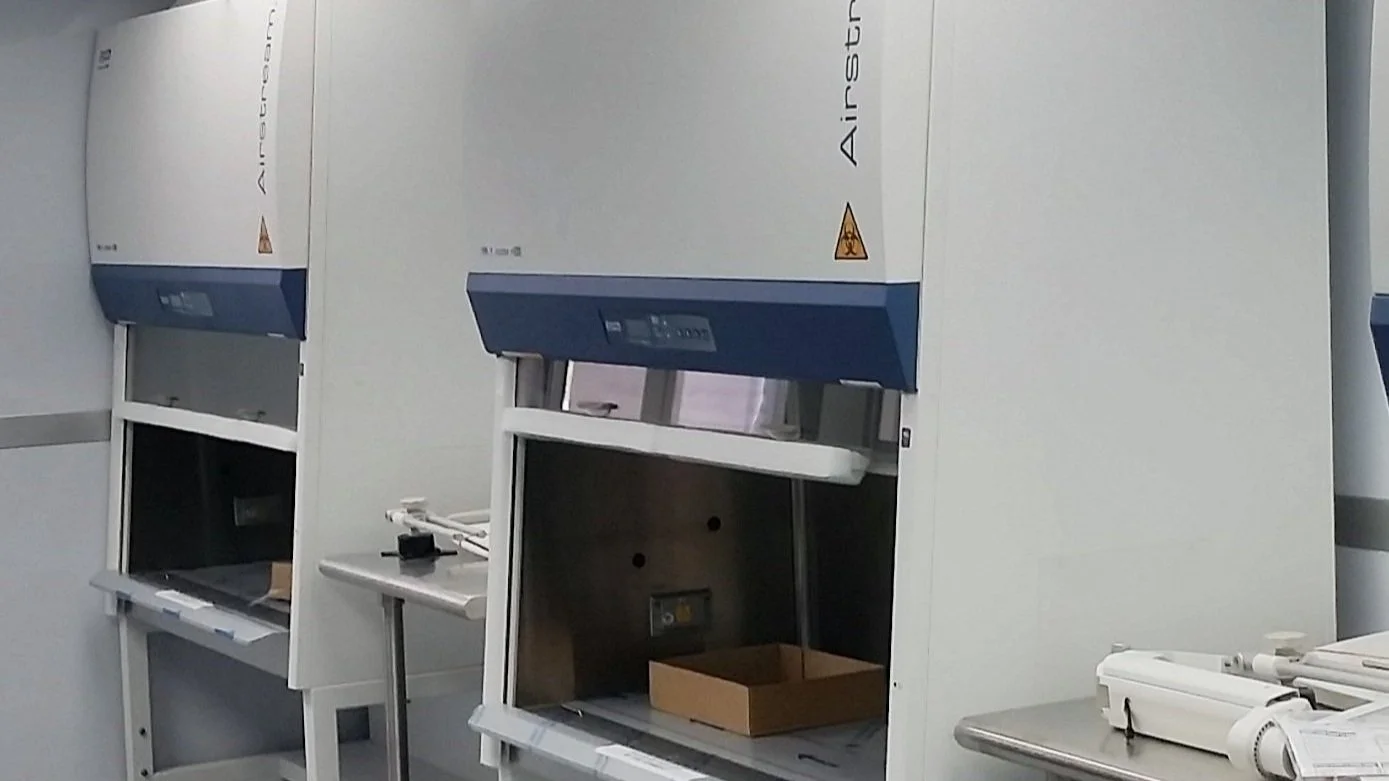
Understanding the Mechanics of Laminar Flow Hoods
Laminar flow hoods play a huge role in keeping environments sterile, and here’s how they do it. These hoods push air through a HEPA filter (High Efficiency Particulate Air). The air flows in one direction, either horizontally or vertically, which is why it's called laminar flow - because the air moves in layers. This design ensures the air inside the hood is free from contaminants. Imagine air being squeezed through a fine net that catches all the unwanted particles - that’s essentially what the filter does.
By maintaining a steady, unidirectional flow, the hood prevents stagnant air pockets where microbes could hang out and multiply. So, when scientists or technicians work under these hoods, they can be sure that their workspace is as clean as it gets, significantly reducing the risk of contamination in sensitive tasks like preparing culture media or assembling electronics. It's all about controlling the environment so only the good stuff gets through.
The Importance of Sterility in Laboratory and Medical Settings
In labs and medical settings, keeping things sterile isn't just important; it's crucial. Sterility means making sure that tools, surfaces, and environments are free from any kind of germ, virus, or bacteria. This isn't just about keeping things clean, it's about ensuring safety and accuracy in experiments and medical procedures. When tools or surfaces aren't sterile, there's a risk of contamination.
Without laminar flow hoods, contamination can mess up lab results, leading to incorrect conclusions. In medical settings, it's even more serious. Non-sterile instruments can cause infections, putting patients at risk. That's why laminar flow hoods are vital. They create a sterile space by pushing out filtered air in a steady stream. This keeps airborne contaminants away from sensitive work. Think of it like creating a protective bubble around whatever you're working on, whether it's preparing medication or conducting a scientific experiment. Without this level of sterility, the risk of error and harm goes up, highlighting the importance of maintaining sterile environments.
Types of Laminar Flow Hoods and Their Applications
Laminar flow hoods are essential in labs and medical facilities to maintain sterile environments. Mainly, there are two types of laminar flow hood:
Horizontal laminar flow hoods
Vertical laminar flow hoods
Each style of cleanroom hood serves a specific purpose based on how the clean air flow is directed.
Horizontal Laminar Flow Hoods for Clean Work Areas
Horizontal laminar flow hoods propel air from the back of the hood towards the user. This is great for tasks that don't involve toxic chemicals but need a clean work area, like preparing media plates in microbiology labs. Since the air flows directly towards the user, it’s crucial that the work does not generate harmful aerosols.
Vertical Laminar Flow Hoods for Safety
On the flip side, vertical laminar flow hoods push air from the top of the hood downward. This setup is ideal when handling hazardous materials because it minimizes the risk of inhaling toxic substances. Vertical hoods are often seen in pharmacy cleanrooms and in industries where workers deal with chemicals that should not be inhaled or come in direct contact with the skin.
Choosing Between Horizontal and Vertical
Choosing between horizontal and vertical laminar flow hoods depends on the type of work you do. Consider the direction of air flow you need to prevent contamination and protect yourself. Adjust your workspace to fit the hood best suited for your tasks, whether it's handling delicate cultures in a lab or dealing with dangerous chemicals. Also consider any compliance guidelines for your cleanroom, such as ISO cleanroom certification requirements.
The Role of HEPA Filters in Laminar Flow Hoods
HEPA filters are the unsung heroes in laminar flow hoods, standing guard against contaminants. A good filter is required for a laminar flow hood to work as expected. Short for High-Efficiency Particulate Air filters, these devices trap particles as small as 0.3 microns with a 99.97% efficiency rate. They’re powered by specialized cleanroom HVAC systems.
In a laminar flow hood, air passes through the HEPA filter in one direction, either horizontally or vertically, creating a sterile environment. This is critical in labs and medical settings where even a single bacterium can throw off results or lead to infections. So, when we talk about keeping spaces germ-free, HEPA filters do the heavy lifting by ensuring that only clean, filtered air touches sensitive work areas. Without them, maintaining a sterile workspace would be a much tougher battle.
Setting Up and Operating a Laminar Flow Hood
The basics of setting up and operating a laminar flow hood is more straightforward than you might think. First, pick a spot away from doors, windows, or anything that causes air disturbance. Your goal is to keep the air flow as stable as possible. Once in position, wipe down the surface inside with 70% isopropyl alcohol. Let it dry completely; this minimizes contamination risks. Next, turn the hood on and let it run for about 15 to 30 minutes. This "warm-up" phase gets rid of any particles lingering inside.
When you’re ready to work, organize your materials. Keep them within the hood to avoid reaching out and potentially dragging in contaminants. Work from clean to dirty areas – meaning, set up your workspace so that you move items from a clean zone to a potentially contaminated zone, not the other way around.
Here's a quick breakdown:
Turn on the laminar flow hood and let it run to clean the air inside.
Clean the interior surfaces with alcohol.
Organize your materials inside the hood to minimize movement and contamination.
Work systematically from clean areas towards the dirty zone to maintain sterility.
Remember, while operating, avoid blocking the air flow with your arms or objects. Steady, uninterrupted air flow is key to keeping the workspace sterile. Finally, when your work is done, clean the area again with alcohol and let it dry. It's all about maintaining a clean, unobstructed path for the air flow to keep that environment sterile.
Best Practices for Maintaining Sterility with Laminar Flow Hoods
Keeping a sterile environment in labs and medical facilities is crucial. Laminar flow hoods are key players in this task. Here's how to ensure your laminar flow hood does its job well.
First, always check the hood is working properly before use. No shortcuts. If it's not right, fix it first.
Next, keep the hood clean. Before and after each use, wipe it down. This prevents contamination.
Also, organize your work area to allow clean airflow. Clutter disrupts laminar flow, risking contamination.
Important too, is to minimize movement when working at the hood. More movement equals more risk of stirring up contaminants.
And remember, only sterile equipment and materials should enter the hood area. This isn't storage space.
Lastly, regular maintenance is non-negotiable. Follow the service schedule without fail to keep the laminar flow hood in prime condition.
Stick to these practices, and your laminar flow hood will be a reliable barrier against contamination.
Common Challenges and Solutions in Using Laminar Flow Hoods
Laminar flow hoods play a vital role in creating sterile environments, crucial in labs and medical settings. But using them comes with its set of challenges. First, maintaining strict cleanliness and avoiding cross-contamination can be tough. Operators need to be meticulous in their work habits, ensuring no unsterilized equipment enters the sterile field. Gloves, tools, and surfaces must be sanitized regularly.
Another challenge is ensuring the hood's uninterrupted airflow. Any blockage or improper use can compromise the sterility. The solution? Regular training for users on the correct operation and positioning of materials within the hood to not obstruct airflow.
Calibration and maintenance of laminar flow hoods also demand attention. If a hood doesn’t work, wear and tear, filter clogs, and fan failures may have reduced its effectiveness. Planned, routine checks and prompt repairs keep the system running as it should.
In all, while laminar flow hoods are essential for sterile environments, they require careful, ongoing attention to function their best. Regular training, maintenance, and a strict cleanliness protocol are key solutions to overcoming these challenges.
The Crucial Role of Laminar Flow Hoods in Science and Medicine
Laminar flow hoods are non-negotiable in science and medicine. They protect experiments from contamination and ensure sterile conditions for critical processes. Whether it's in research labs or hospitals, these hoods are frontline warriors against microbes. They work by driving air in a single direction at a uniform speed, filtering out unwanted particles. This means everything from developing new medicines to performing surgeries gets a cleanliness guarantee. Remember, without laminar flow hoods, the reliability of scientific experiments and the safety of medical procedures could be compromised. So, it's clear, for the sake of precision and health, laminar flow hoods are indispensable.
Ready to find the perfect laminar flow hood for your workspace? Consult with CleanAir Solutions today to get expert advice and design your ideal cleanroom.