
People moving in and out of your cleanroom is by far the largest source of contamination. Every time one of your team members enters the space or moves within it, they could potentially introduce particles, skin cells, and fibers. The more sensitive your workflows, the greater the risk of contamination.
Cleanroom gowning procedures are the best way to protect your operations and products. However, simply providing gowning supplies is not enough. You need to create a standardized, repeatable process.
Our cleanroom gowning procedure step-by-step guide features a flexible checklist that you can customize to the needs of your business and industry. Here’s what you need to know.
Why a Cleanroom Gowning Procedure Matters
Your personnel have to enter your cleanroom multiple times per shift. Each time they do, there is a chance that they introduce hair, skin cells, and debris. If employees exhibit poor discipline during gowning, it leads to:
Increased airborne and surface particle levels
Elevated microbial contamination risk
Lower product yields
Failed environmental monitoring results
Regulatory audit issues
Loss of ISO classification performance stability
Properly enforced cleanroom gowning procedures help you mitigate these risks. Gowns and other protective devices create a physical barrier between your team members and the workspace. However, you’ve got to set them up for success.
The setup of your entry point can support or hinder proper cleanroom gowning procedures. A well-designed cleanroom garment rack will help your personnel access and don the attire necessary to protect the clean workspace.
Core Principles of an Effective Cleanroom Gowning Procedure
There is one concept that you should build your gowning procedures around. The process needs to be standardized and repeatable so that every employee does it the same way every time. Access control systems for cleanrooms are essential for enforcing these principles across all shifts and teams. Here is a gowning sequence to teach to your team:
Pre-Gowning Preparation:
Remove jewelry and personal items
Wash and sanitize hands
Follow approved sanitation protocols
Proper Gowning Sequence:
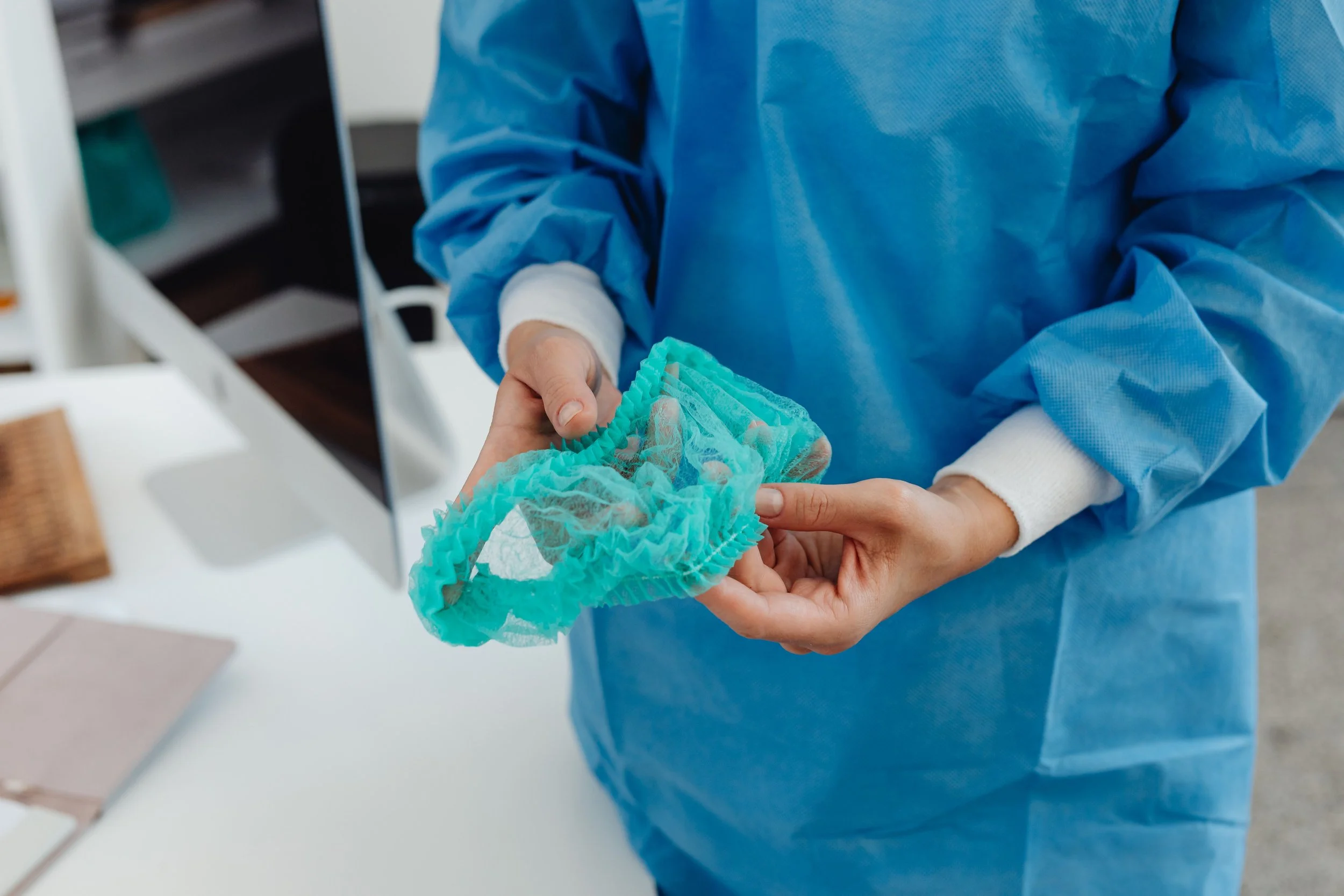
Put on a hair cover
Apply face mask and verify fit
Don cleanroom garments without allowing them to touch the floor
Put on shoe covers
If required, wear safety glasses or goggles
Don cleanroom gloves
Final Inspection Before Entry:
Inspect PPE in a mirror
Address any fitment issues
Enter the cleanroom following facility SOPs
Use this template every single time to reduce the risk of gowning errors.
[Checklist goes here]
Common Gowning Mistakes That Increase Contamination Risk
Even well-trained and dedicated team members can introduce contamination by making small procedural errors, such as:
Touching the exterior of garments while putting them on
Putting gloves on improperly or in the wrong order
Leaving skin or hair exposed
Wearing damaged garments
Putting on garments in the wrong order
Rushing through the gowning process
These mistakes can increase the particle counts in your clean space and lead to failed environmental monitoring results. In regulated environments, these errors can also lead to corrective actions or penalties. One of the biggest concerns is product contamination, which could hurt your reputation and bottom line.
Training and Compliance Best Practices
A strong cleanroom gowning procedure is only as good as the training you provide your workforce. Best practices include:
Standardizing your SOPs
Conducting routine internal audits
Reviewing the gowning process periodically throughout the year
Outlining the why behind the process
You should also offer annual refresher training on the gowning process to ensure everyone is up to speed on the latest processes. Otherwise, complacency can set in and negatively impact the integrity of your operations.
Support Effective Cleanroom Gowning Procedures With CleanAir Solutions
A strong cleanroom gowning procedure is fundamental for contamination control and compliance. Because personnel are one of the largest contamination sources, even small deviations can impact product quality and environmental stability. Succeeding at maintaining a clean environment starts with the right processes and equipment.
CleanAir Solutions delivers customized solutions and equipment for clients who need to maintain a clean workspace in accordance with ISO standards. Our solutions include air showers, modular cleanrooms, wall and ceiling materials, and more. CleanAir Solutions also offers ESD-safe cleanroom products. Contact our team for customized components.
FAQs
What’s the Correct Cleanroom Gowning Procedure?
An effective cleanroom gowning procedure should consist of three phases: pre-gowning, proper gowning sequence, and final inspection. During phase one, employees must remove jewelry, watches, and other personal items that could tear their gowning supplies. Next, they should wash their hands and put on the protective gear in the appropriate order.
Why Is Gowning Important in a Cleanroom Environment?
Team members entering and exiting your cleanrooms are the biggest source of contaminants. Gowning helps mitigate these risks and protect your work environment so that you can maintain compliance.
What Order Should Cleanroom Garments Be Put On?
The typical sequence is: hair cover, beard cover (if needed), face mask, cleanroom gown, shoe covers, eye protection, and gloves. Following the correct order helps prevent contamination of garments during the gowning process.
How Often Should Cleanroom Garments Be Replaced or Sanitized?
You should never reuse disposable garments. Reusable items need to be sanitized after each use. Replace them when the garments have reached the end of their life.
What Materials Are Best for Cleanroom Apparel?
Most cleanroom garments are made from synthetic materials like polyester filament fabrics because they shed fewer particles than natural fibers.
What Are the Most Common Cleanroom Gowning Mistakes?
Employees should be careful not to touch the exterior of cleanroom garments when putting them on. Failing to fully cover their hair is another common mistake that can introduce contaminants to your clean space.
How Does ISO Classification Affect Gowning Requirements?
The higher the ISO class, the stricter your gowning process needs to be. However, gowning should be part of all cleanroom entry procedures.
What Cleanroom Components Help Improve Gowning Compliance?
A garment storage system can help protect clean apparel until it is ready for use. Air showers are another great addition, as they can blast away loose particles before your team members enter the clean area.